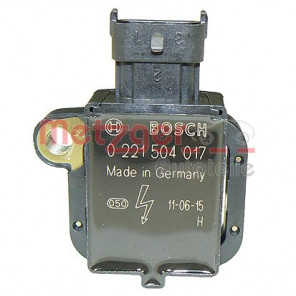
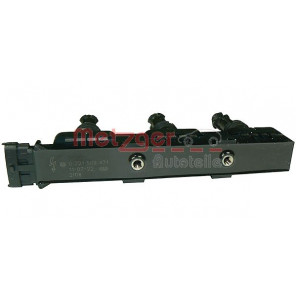
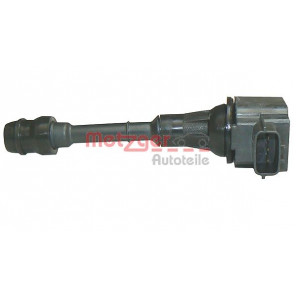
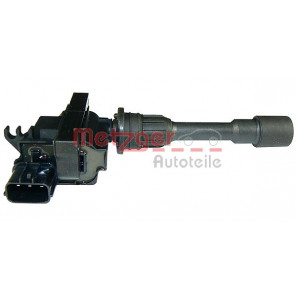
Zünd- & Glühanlagen
-
Pol-Anzahl: 4 | Anschlusstechnik: SAE | Zündkerzenstecker: inkl. Zündkerzenstecker | Artikelnummer des empfohlenen Zubehörs: 2324009
ersetzt folgende OE-Nummern
FORD 1120169, 1120169, FORD 1331283, 1331283, FORD 1362718
Preis:
62,87 €
Lieferung 04.08.2026 - 05.08.2026
Abholung
-
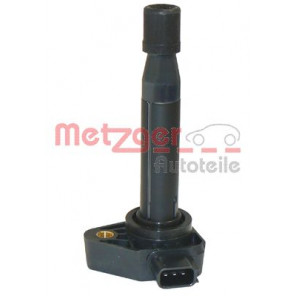
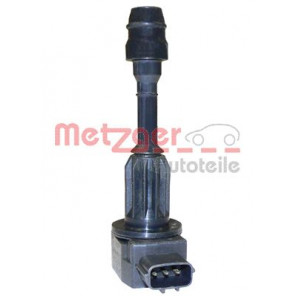
Pol-Anzahl: 3
ersetzt folgende OE-Nummern
HONDA 30520-P8E-A01, 30520-P8E-A01, HONDA 30520-P8F-A01, 30520-P8F-A01, HONDA 30520-P8F-A02
Preis:
59,35 €
Lieferung 04.08.2026 - 05.08.2026
Abholung
-
Pol-Anzahl: 3 | benötigte Stückzahl: 2
ersetzt folgende OE-Nummern
FIAT 71742420, 71742420, SUZUKI 33400-65G00, 33400-65G00, SUZUKI 33400-65G01
Preis:
59,35 €
Lieferung 04.08.2026 - 05.08.2026
Abholung
-
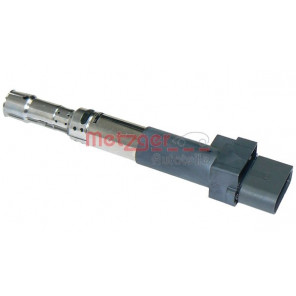
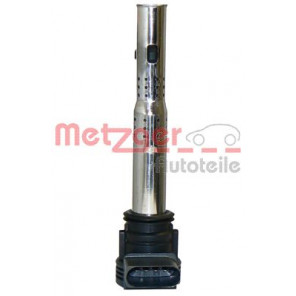
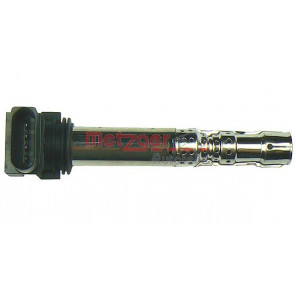
Pol-Anzahl: 4 | Zündkerzenstecker: Anschlussausführung SAE | Farbe: schwarz | Artikelnummer des empfohlenen Zubehörs: 2324009
ersetzt folgende OE-Nummern
VAG 06F 905 115, 06F905115, VAG 06F 905 115A, 06F905115A, VAG 06F 905 115B
Preis:
56,65 €
Lieferung 04.08.2026 - 05.08.2026
Abholung
-
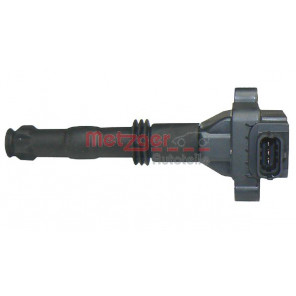
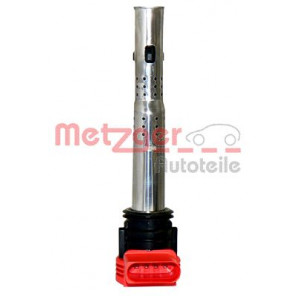
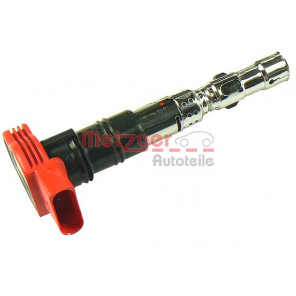
Pol-Anzahl: 4 | Farbe: rot | Artikelnummer des empfohlenen Zubehörs: 2324009
ersetzt folgende OE-Nummern
PORSCHE 958 602 102 00, 95860210200, VAG 06E 905 115, 06E905115, VAG 06E 905 115 A
Preis:
61,16 €
Lieferung 04.08.2026 - 05.08.2026
Abholung
-
Zündkerzenstecker: Anschlussausführung SAE, inkl. Zündkerzenstecker | benötigte Stückzahl: 6 | Artikelnummer des empfohlenen Zubehörs: 2324009
ersetzt folgende OE-Nummern
PORSCHE 955 602 10105, 95560210105, VAG 002 905 715C, 002905715C, VAG 022 905 100B
Preis:
49,18 €
Lieferung 04.08.2026 - 05.08.2026
Abholung
-
Pol-Anzahl: 3 | benötigte Stückzahl: 1
ersetzt folgende OE-Nummern
HYUNDAI 27301-02100, 27301-02100
Preis:
104,36 €
Lieferung 04.08.2026 - 05.08.2026
Abholung
-
Pol-Anzahl: 3 | Anzahl d. Ein-/Ausgänge: 1 | benötigte Stückzahl: 4
ersetzt folgende OE-Nummern
NISSAN 22448-AX 001, 22448-AX001
Preis:
85,46 €
Lieferung 04.08.2026 - 05.08.2026
Abholung
-
Pol-Anzahl: 3 | benötigte Stückzahl: 1 | Steckergehäuseform: rechteckig
ersetzt folgende OE-Nummern
BMW 1213 7 510 738, 12137510738, CHRYSLER 04609103AB, 04609103AB, CHRYSLER 05269670
Preis:
54,85 €
Lieferung 04.08.2026 - 05.08.2026
Abholung
-
Pol-Anzahl: 4 | benötigte Stückzahl: 1
ersetzt folgende OE-Nummern
FORD 1F2U-12029-AC, 1F2U-12029-AC, FORD 1F2Z-12029-AC, 1F2Z-12029-AC, FORD 4088000
Preis:
94,45 €
Lieferung 04.08.2026 - 05.08.2026
Abholung
-
Pol-Anzahl: 4 | Farbe: rot | Zündspule: Anschlussausführung SAE | Zündkerzenstecker: inkl. Zündkerzenstecker | benötigte Stückzahl: 8 | Artikelnummer des empfohlenen Zubehörs: 2324009
ersetzt folgende OE-Nummern
AUDI 077 905 115 B, 077905115B, AUDI 077 905 115 C, 077905115C, AUDI 077 905 115 E
Preis:
69,26 €
Lieferung 04.08.2026 - 05.08.2026
Abholung
-
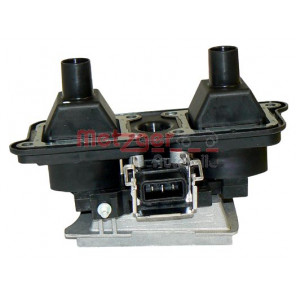
Pol-Anzahl: 3 | benötigte Stückzahl: 2 | Zündspule: Doppelzündspule, mit Endstufe, mit Kühlkörper
ersetzt folgende OE-Nummern
VAG 058 905 101A, 058905101A, VAG 058 905 105A, 058905105A
Preis:
190,76 €
Lieferung 04.08.2026 - 05.08.2026
Abholung
-
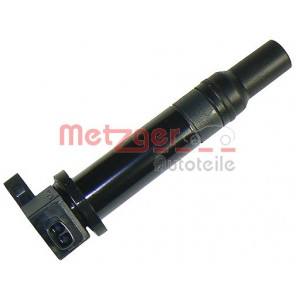
Pol-Anzahl: 2 | benötigte Stückzahl: 4
ersetzt folgende OE-Nummern
KIA 27301-26640, 27301-26640
Preis:
56,65 €
Lieferung 04.08.2026 - 05.08.2026
Abholung
-
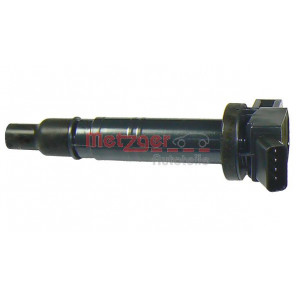
Pol-Anzahl: 4
ersetzt folgende OE-Nummern
TOYOTA 90919-02247, 90919-02247, TOYOTA 90919-02248, 90919-02248, TOYOTA 90919-02260
Preis:
47,66 €
Lieferung 04.08.2026 - 05.08.2026
Abholung
-
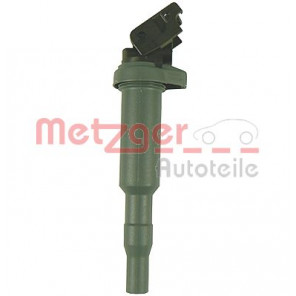
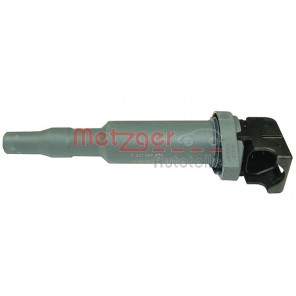
Pol-Anzahl: 3 | Zündspule: inkl. Zündkerzenstecker
ersetzt folgende OE-Nummern
BMW 12 13 7 559 842, 12137559842, BMW 12 13 7 562 745, 12137562745, BMW 12 13 7 571 644
Preis:
54,85 €
Lieferung 04.08.2026 - 05.08.2026
Abholung
-
Pol-Anzahl: 4 | Anzahl d. Ein-/Ausgänge: 2 | benötigte Stückzahl: 2
ersetzt folgende OE-Nummern
TOYOTA 90919-02217, 90919-02217, TOYOTA 90919-02218, 90919-02218
Preis:
84,60 €
Lieferung 04.08.2026 - 05.08.2026
Abholung
-
Pol-Anzahl: 4 | Zündspule: Anschlussausführung SAE | Zündkerzenstecker: inkl. Zündkerzenstecker | Artikelnummer des empfohlenen Zubehörs: 2324009
ersetzt folgende OE-Nummern
VAG 07C 905 115 C, 07C905115C, VAG 07C 905 115 D, 07C905115D, VAG 07C 905 115 E
Preis:
60,25 €
Lieferung 04.08.2026 - 05.08.2026
Abholung
-
Pol-Anzahl: 3 | Einbauseite: Auslassseite | benötigte Stückzahl: 2
ersetzt folgende OE-Nummern
HONDA 30521-PWA-003, 30521-PWA-003, HONDA 30521-PWA-S01, 30521-PWA-S01
Preis:
66,78 €
Lieferung 04.08.2026 - 05.08.2026
Abholung
-
Pol-Anzahl: 2 | benötigte Stückzahl: 4
ersetzt folgende OE-Nummern
HYUNDAI 27301-2B000, 27301-2B000, KIA 27301-2B000, 27301-2B000
Preis:
67,45 €
Lieferung 04.08.2026 - 05.08.2026
Abholung
-
Pol-Anzahl: 3 | Zündkerzenstecker: inkl. Zündkerzenstecker | benötigte Stückzahl: 4
ersetzt folgende OE-Nummern
NISSAN 22448-1F700, 22448-1F700
Preis:
72,85 €
Lieferung 04.08.2026 - 05.08.2026
Abholung
-
Pol-Anzahl: 5 | Anzahl d. Ein-/Ausgänge: 3 | Zündspule: inkl. Zündkerzenstecker | benötigte Stückzahl: 1
ersetzt folgende OE-Nummern
OPEL 1208028, 1208028, OPEL 24 420 622, 24420622, OPEL 93 180 806
Preis:
112,46 €
Lieferung 04.08.2026 - 05.08.2026
Abholung
-
benötigte Stückzahl: 4
ersetzt folgende OE-Nummern
MAZDA 22448-9Y600, 22448-9Y600, NISSAN 22448-8H300, 22448-8H300, NISSAN 22448-8H310
Preis:
58,46 €
Lieferung 04.08.2026 - 05.08.2026
Abholung
-
benötigte Stückzahl: 2
ersetzt folgende OE-Nummern
MAZDA FFY1-18-100, FFY1-18-100, MAZDA FP85-18-100C, FP85-18-100C
Preis:
76,45 €
Lieferung 04.08.2026 - 05.08.2026
Abholung
-
Anschlusstechnik: SAE-Kontaktfeder | Zündkerzenstecker: inkl. Zündkerzenstecker | benötigte Stückzahl: 6
ersetzt folgende OE-Nummern
PORSCHE 906 602 10101, 90660210101, PORSCHE 906 602 10200, 90660210200, PORSCHE 906 602 10301
Preis:
73,80 €
Lieferung 04.08.2026 - 05.08.2026
Abholung
-
Pol-Anzahl: 3 | benötigte Stückzahl: 6
ersetzt folgende OE-Nummern
BMW 12137 523 345, 12137523345, BMW 12137 548 553, 12137548553, BMW 12137 594 936
Preis:
51,13 €
Lieferung 04.08.2026 - 05.08.2026
Abholung
Bei Verbrennungsmotoren wird unter Zündung ein komprimiertes Kraftstoff-Luft-Gemisch verstanden.
Benzinmotoren benötigen insbesondere Zündkerzen, die nur die letzte Komponente eines komplexen Zündsystems sind. Die Herausforderung besteht darin, den Zündpunkt so einzustellen, dass der maximale Verbrennungsdruck auf den Kolben wirken kann, wenn dieser seinen oberen Totpunkt passiert.
Gleichzeitig darf der Kolben nicht zu weit bewegt werden, da sonst der größte Teil der freigesetzten chemischen Energie tatsächlich verschwindet. Daher kann der ideale Zündpunkt die Leistung des Fahrzeugs optimieren, den Kraftstoffverbrauch minimieren und die Abgasemissionen reduzieren.
Die Spannungsquelle wird benötigt, um Zündfunken zu erzeugen. In modernen Fahrzeugen bedeutet dies normalerweise Batterien.
 Mo.-Fr. 09:00-18:00 | Sa. 09:00-16:00 Kontakt & Hilfe 7 Filialen in Österreich
schneller & gratis Versand ab 49,00 €
Mo.-Fr. 09:00-18:00 | Sa. 09:00-16:00 Kontakt & Hilfe 7 Filialen in Österreich
schneller & gratis Versand ab 49,00 €




.jpg)
.jpg)
.jpg)
.jpg)
.jpg)
.jpg)